
The Price of Artistic Ideals
Of Human BondageThis thread examines how artistic aspiration, cultural fashion, and material survival collide in Philip's Paris years.
increasing Bearing strength in each event
 decreasing
Bearing strength in each eventdecreasingBohemian Expectations
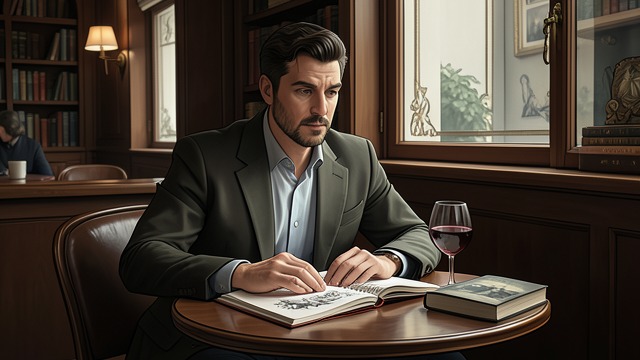
Bohemian Expectations
Romantic stories and Hayward's aesthetic talk encourage Philip to imagine artistic life as free, beautiful, and meaningful. He expects Paris to deliver experience as well as instruction.
The ideal before contact
His expectations are shaped by books and borrowed opinions. The actual work of drawing and earning a living will test whether the ideal can survive ordinary conditions.
A Studio's Social World
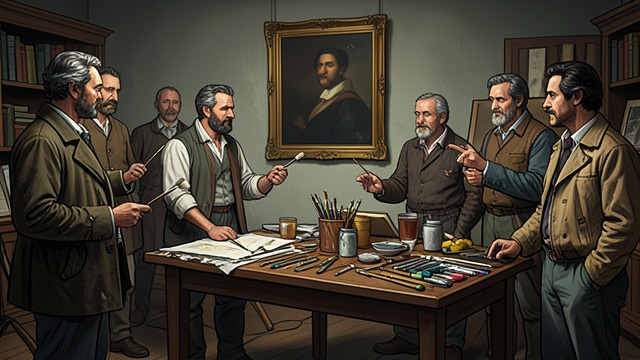
A Studio's Social World
At Amitrano's School, Philip meets artists who argue over technique, modern painting, and the meaning of talent. He finds companionship, excitement, and a new artistic vocabulary.
Fashion and judgment
The group also reveals how easily artistic conviction becomes jargon or allegiance to a style. Philip begins by borrowing judgments before he has learned to trust his own eye.
Fanny's Unanswered Effort
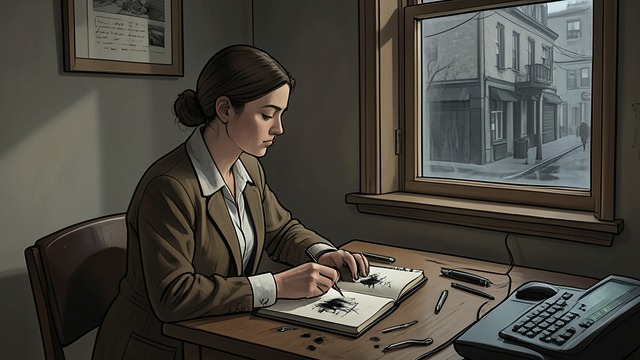
Fanny's Unanswered Effort
Fanny Price works relentlessly despite poor instruction and weak results, while poverty steadily narrows her choices. She persists because she believes she can become an artist.
Effort without aptitude
Her eventual suicide forces Philip to confront the painful possibility that sincerity and perseverance cannot guarantee success. Artistic ambition may demand sacrifices without promising a worthwhile return.
The Artist's Verdict
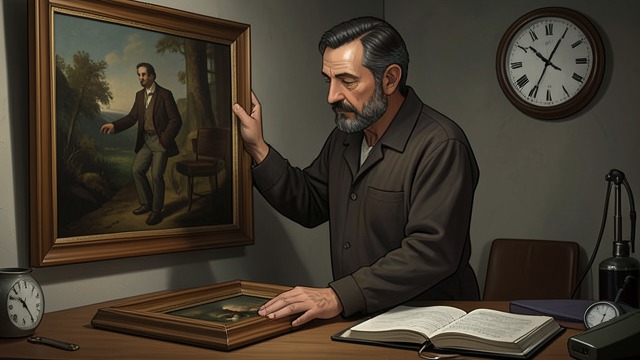
The Artist's Verdict
Foinet examines Philip's paintings and distinguishes technical diligence from genuine talent. He advises Philip to leave art before mediocrity consumes years he could use elsewhere.
An unromantic kindness
The verdict is severe but valuable because it replaces flattering uncertainty with an honest limit. Philip's decision to stop is a practical response, not proof that his artistic years were meaningless.
Beauty Beyond Painting
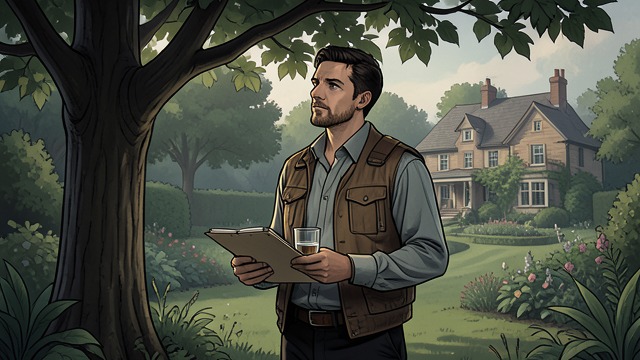
Beauty Beyond Painting
Philip later recognises beauty in landscapes, people, and ordinary scenes without needing to make them into paintings. His artistic training survives as a heightened capacity for attention.
A broader practice
He finds that medicine and observation also engage his imagination. Art has not become his profession, but the attempt to see clearly continues to shape how he experiences life.
before Philip leaves for Paris
Philip's early months in Paris
during Philip's second year in Paris
near the end of Philip's second Paris year
after Philip returns to the hospital
